
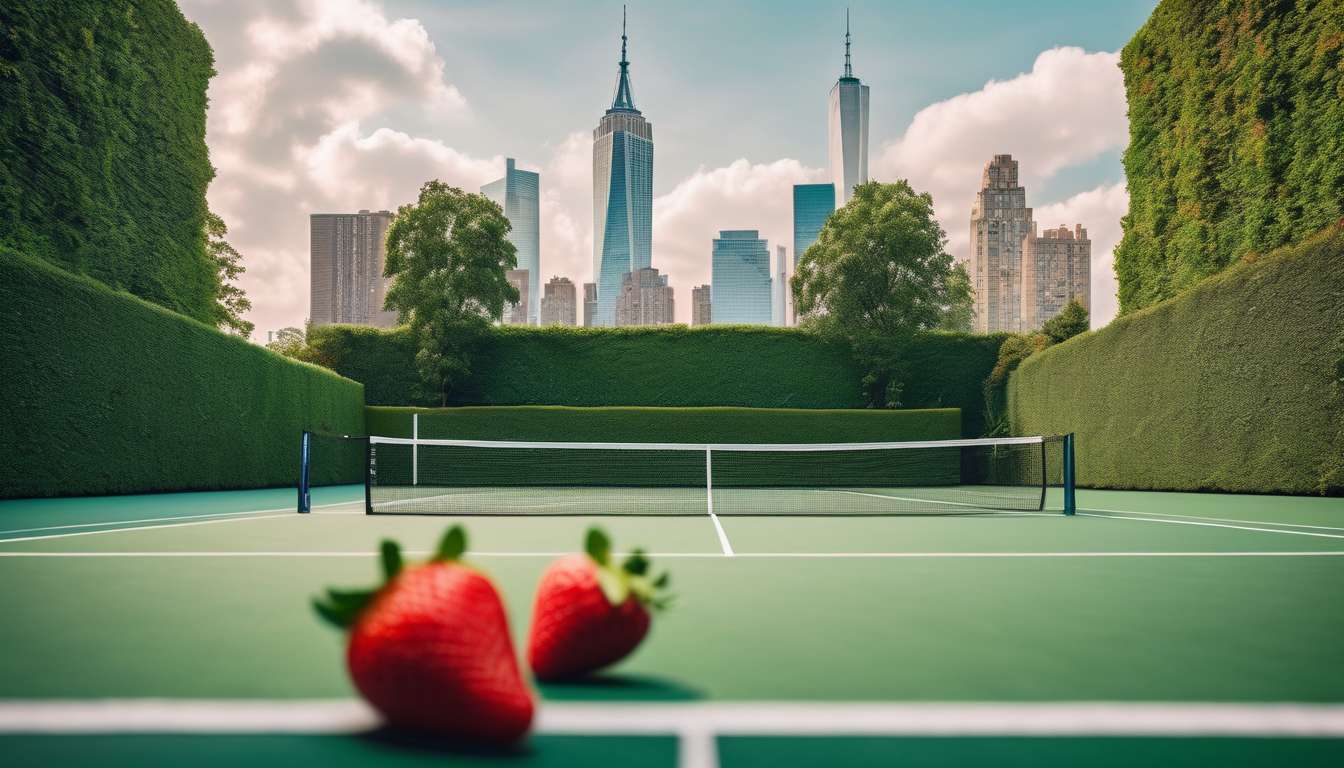
As tennis enthusiasts, we eagerly anticipate the two grand slams that hold a special place in our hearts: Wimbledon and the US Open. Each tournament, steeped in its own unique traditions and vibrant histories, offers a distinct experience that captivates players and fans alike.
Wimbledon transports us to a world of elegance and tradition with its:
- Pristine grass courts
- Strict dress codes
In contrast, the US Open dazzles us with:
- Its energetic atmosphere
- Late-night matches under the lights
- The dynamic backdrop of New York City
Both tournaments showcase the pinnacle of tennis excellence, yet their differences highlight the diversity within the sport that we cherish.
As we delve into this comparison, we aim to explore:
- The cultural nuances
- Historical significance
- Unique challenges each tournament presents
This invites us to appreciate the rich tapestry that defines the world of professional tennis.
Venue and Atmosphere Differences
Wimbledon and the US Open each offer unique venue experiences and atmospheres that distinctly set them apart as part of the prestigious Grand Slam circuit. Both tournaments embrace us with their rich traditions and vibrant cultures.
Wimbledon immerses us in the elegance of the All England Club:
- Pristine grass courts
- Iconic ivy-clad walls
This setting transports us to a realm that feels both exclusive and timeless. The atmosphere is steeped in history, and we can’t help but feel a sense of belonging as we cheer alongside fans who appreciate the nuances of this cherished event.
The US Open offers a dynamic and energetic environment at the USTA Billie Jean King National Tennis Center:
- Modern hard courts
- Lively vibe
The energy of New York City pulses through the stands. We become part of a diverse and passionate crowd, embracing the inclusivity and excitement that defines this Grand Slam experience.
Player Attire Requirements
Both tournaments impose specific attire regulations on players, reflecting their unique traditions and values.
Wimbledon:
- The all-white dress code is not just a tradition; it’s a statement of elegance and history.
- Players embrace this rule, adding to the timeless charm of this Grand Slam.
- The strict guidelines ensure that each player maintains the classic aesthetic that Wimbledon is known for, making participants and spectators feel part of a longstanding legacy.
US Open:
- Celebrates individuality and modernity with more relaxed attire requirements.
- Players are encouraged to express their personalities through vibrant colors and daring designs.
- This creates a lively atmosphere, allowing a personal connection with the players.
- The diversity in attire mirrors the tournament’s energetic spirit, fostering a dynamic and inclusive community.
Conclusion:Both approaches highlight the unique character of each event, showcasing the elegance of tradition at Wimbledon and the celebration of individuality at the US Open.
Spectator Experience Contrasts
At both tournaments, the spectator experience is shaped by their distinct atmospheres, with Wimbledon offering a sense of refined tradition and the US Open providing an energetic, vibrant setting.
Wimbledon envelops us in elegance, characterized by:
- Manicured lawns
- Strawberries and cream
- The iconic all-white dress code
These elements add to the Grand Slam’s timeless charm. The serene environment invites us to become part of a long-standing legacy, making us feel like we’re contributing to its storied history.
In contrast, the US Open bursts with energy, drawing us into its lively, bustling atmosphere. We’re embraced by the electric vibe of New York City, where:
- Passionate fans cheer loudly
- Vibrant night matches under the lights at Arthur Ashe Stadium occur
This creates an exhilarating environment that’s uniquely American, making us feel alive and part of a dynamic community.
Whether it’s the quiet elegance of Wimbledon or the spirited energy of the US Open, each Grand Slam offers us a unique and unforgettable experience.
Cultural Traditions and Customs
Both tournaments showcase a rich tapestry of cultural traditions, reflecting the unique heritage and customs of their host countries.
Wimbledon:
- At Wimbledon, we find ourselves immersed in British elegance and tradition.
- There’s something special about the crisp white attire, strawberries and cream, and the gentle clinking of tea cups.
- This tournament, steeped in history, offers a sense of belonging to a legacy that stretches back over a century.
- The grass courts whisper stories of champions past and invite us to become part of its storied narrative.
US Open:
- In contrast, the US Open exudes a vibrant and energetic atmosphere that captures the American spirit.
- We’re drawn into a world of excitement where diverse crowds come together, celebrating with enthusiasm and flair.
- The hard courts of New York echo with the sounds of cheering fans, embodying the diverse cultural melting pot that is America.
Both Wimbledon and the US Open, each a Grand Slam in its own right, offer us unique experiences that we cherish and celebrate together.
Grand Slam Prestige Comparison
Both tournaments hold unparalleled prestige in the tennis world, yet they each bring distinct qualities that contribute to their esteemed reputations.
Wimbledon, with its rich history and tradition, is often considered the pinnacle of Grand Slam events. We find ourselves drawn to its timeless elegance, which includes:
- The all-white dress code
- The manicured grass courts
It’s as if by being part of Wimbledon, we’re participating in a grand tradition that echoes through the ages.
On the other hand, the US Open captivates us with its vibrant energy and modern flair. Known for its:
- Electric atmosphere
- Night matches
- Enthusiastic crowds
The US Open embodies the spirit of New York City itself. We’re part of a community that celebrates diversity and excitement, and the tournament’s progressive approach resonates with our desire for inclusivity and innovation.
Together, these Grand Slam events symbolize the heart of tennis, offering us a sense of belonging in a world steeped in tradition and modernity.
Impact of Surface Variations
Each tournament’s unique playing surface profoundly influences the gameplay and strategies of the competitors.
At Wimbledon, the grass courts demand agility and quick reflexes, favoring players with powerful serves and volleys. We find ourselves captivated by the fast-paced exchanges that this Grand Slam offers, where every bounce can be unpredictable.
- We feel the thrill as players adapt their game to this slippery, yet prestigious surface.
- This creates a sense of unity among fans who appreciate the tradition and elegance of grass court tennis.
Conversely, the US Open’s hard courts present a different challenge. Known for their consistency and speed, these surfaces allow for longer rallies and favor baseline players.
- We admire how competitors adjust their strategies, delivering thrilling matches that highlight endurance and precision.
- The hard courts foster a sense of community among us, as we collectively marvel at the athletes’ ability to adapt across different surfaces.
Both tournaments, with their distinctive surfaces, enrich our Grand Slam experience, uniting us in our love for tennis.
Tournament Schedule Variances
Each tournament’s schedule plays a crucial role in shaping the players’ preparation and performance.
As part of the Grand Slam circuit, both Wimbledon and the US Open offer unique challenges based on their timing.
Wimbledon
- Traditionally held in late June and early July.
- Comes right after the short grass-court season.
- Demands players quickly adapt from clay.
- This transition can be a bonding experience for fans as we watch our favorite players navigate the shift.
The US Open
- Takes place in late August and early September.
- Marks the end of the Grand Slam season.
- Follows a summer full of tournaments, including the North American hard-court swing.
- Players arrive in New York with different energy levels.
- Tests endurance and resilience with late-night matches under the lights.
Together, these schedule variances remind us of the diverse challenges players face and how each tournament’s timing brings its own sense of community and excitement.
Legacy and Future Evolution
Both tournaments have rich histories that continue to shape their identities and influence the future of tennis.
Wimbledon, as the oldest Grand Slam, is steeped in tradition. Its grass courts and strict dress code remind us of the sport’s elegant origins. We can almost hear the echoes of legends past as we watch today’s champions strive for greatness.
The US Open, on the other hand, embraces change, reflecting the dynamic spirit of New York City. Its hard courts and vibrant atmosphere offer a modern twist on the Grand Slam experience.
As we look to the future, both Wimbledon and the US Open face the challenge of balancing tradition with innovation.
Wimbledon:
- Remains committed to preserving its heritage
- Slowly integrates technology and sustainability practices
The US Open:
- Continues to push boundaries
- Experiments with interactive fan experiences
- Embraces diversity
Together, these tournaments will undoubtedly continue to captivate and inspire, inviting us to be a part of their enduring legacy.
What are the historical origins of both Wimbledon and the US Open?
We’ll explore the historical origins of both Wimbledon and the US Open.
Wimbledon, dating back to 1877, is the oldest tennis tournament in the world. It represents a cornerstone of tennis history and has played a significant role in shaping the sport.
The US Open, established in 1881, also boasts a rich history. It has evolved over the years and continues to be a key event in the tennis calendar.
Both of these prestigious events have deep roots in the sport’s evolution and continue to captivate fans worldwide.
The stories behind these tournaments showcase the enduring legacy of tennis and its impact on sports history.
How do the prize money and financial incentives compare between Wimbledon and the US Open?
When comparing Wimbledon and the US Open, there are notable differences in prize money and financial incentives:
Wimbledon:
- Offers a more traditional approach.
- Typically has slightly lower prize money compared to the US Open.
US Open:
- Known for providing higher financial rewards.
- Attracts top players with substantial winnings.
These distinctions are significant as they influence both player participation and the tournament’s prestige.
What is the process for a player to qualify for Wimbledon versus the US Open?
To qualify for Wimbledon or the US Open, players must meet specific criteria set by each tournament. This includes:
- Ranking: Players need to have a high enough ranking to gain direct entry.
- Performance in qualifying matches: Those not ranked high enough can compete in preliminary rounds to earn a spot.
- Wild card entries: Tournaments may grant special entries to players based on potential, past performance, or other considerations.
Players work hard throughout the season to earn their spot in these prestigious events, showcasing their skills and dedication.
It’s a competitive process, but ultimately rewarding for those who make it to the main draw.
Conclusion
As you reflect on the differences between Wimbledon and the US Open, it becomes evident that each tournament offers a unique experience for players and spectators alike.
From the prestigious traditions of Wimbledon to the vibrant atmosphere of the US Open, both events showcase the diversity and richness of the sport of tennis.
Whether you prefer:
- The grass courts of Wimbledon
- Or the hard courts of the US Open
Both tournaments hold a special place in the hearts of tennis fans worldwide.