
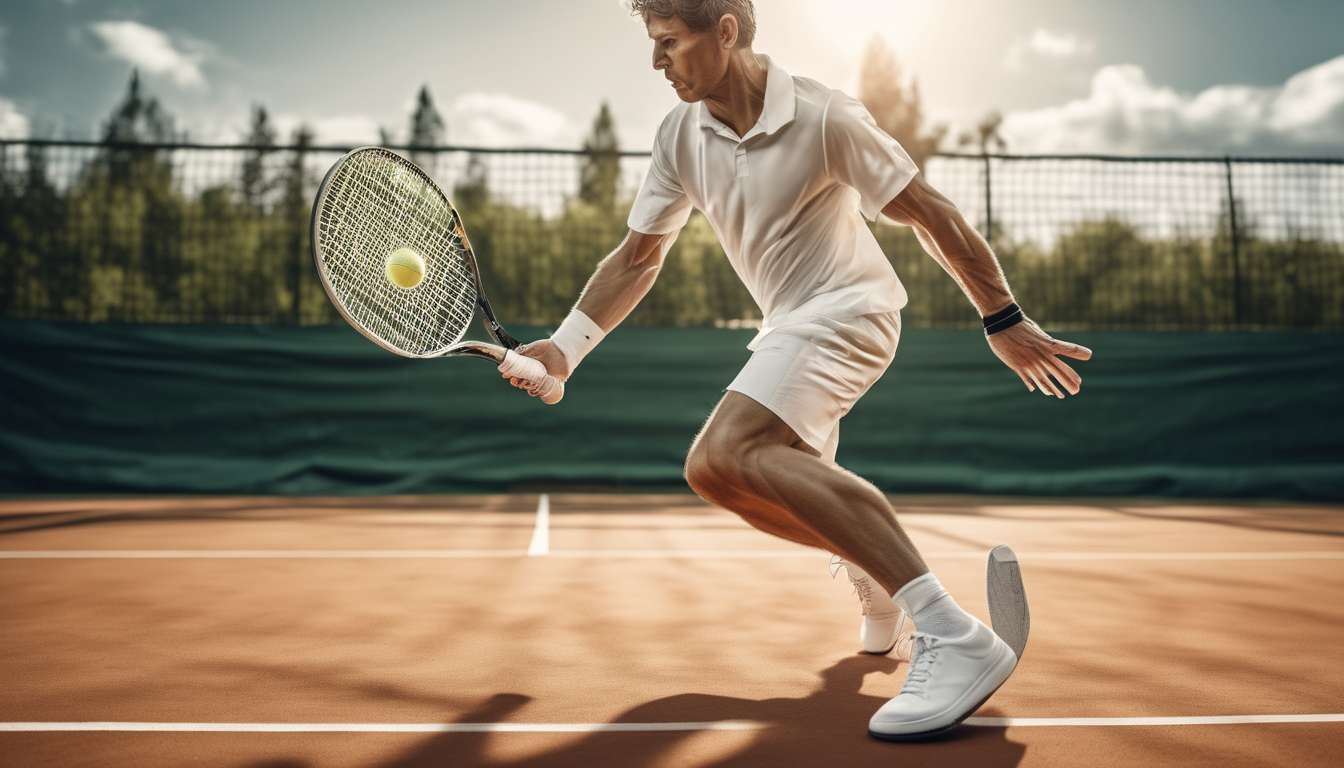
As tennis enthusiasts and analysts, we are keenly aware of how injuries can profoundly impact a player’s performance on the court.
Our collective experience and observations have shown us that injuries are not merely physical setbacks; they are significant psychological and strategic challenges that players must navigate. We have seen how a single injury can alter the trajectory of a promising career, affecting a player’s:
- Confidence
- Technique
- Overall game strategy
In our discussions, we often reflect on the resilience required to overcome these hurdles and the meticulous rehabilitation processes players undergo. From sprained ankles to chronic shoulder issues, each injury carries its own set of challenges and implications.
Together, we explore:
- The complexities of recovery
- The role of medical and coaching teams
- The mental fortitude required to return to peak performance
Our goal is to shed light on the multifaceted impact injuries have on these exceptional athletes and their journeys back to the court.
Impact on Confidence Levels
Injuries can significantly dent a tennis player’s confidence, affecting their performance on the court. We’ve all been there, feeling the weight of setbacks and unsure if we can bounce back. It’s more than just physical; it’s about trusting our bodies again. When injuries strike, they don’t just hurt physically—they shake our belief in what we can achieve. We might hesitate, questioning every move and every sprint.
Rehabilitation becomes our path to reclaiming not only our physical strength but also our mental fortitude. It’s a journey where we realize we’re not alone; we’re part of a community that supports us. Together, we work to rebuild, finding strength in shared experiences and encouragement.
As we progress through rehabilitation, our performance gradually improves. With each step forward, our confidence rebuilds. We start to trust ourselves again, knowing that setbacks don’t define us. Instead, they become part of our story, one that connects us with others facing similar challenges.
Changes in Technical Execution
Every slight adjustment in our technical execution can make a significant difference in how we play post-injury. As we navigate through rehabilitation, we’re often faced with the challenge of recalibrating our strokes and movement. This isn’t just about physical healing; it’s about regaining our rhythm and confidence on the court.
Adapting Our Game Post-Injury:
- Tweaking our serve to protect a recovering shoulder
- Adjusting our footwork to accommodate a previously injured ankle
These changes are crucial to maintaining our performance levels.
Community and Support:
We understand the feeling of belonging to a community of players who’ve faced similar hurdles. Together, we share insights and encourage each other to adapt and excel.
Rebuilding Through Practice:
Through focused practice and targeted training, we gradually rebuild our technical prowess, ensuring we can compete at our best.
It’s not easy, but each small victory in our rehabilitation journey reinforces our commitment to the sport we love and reminds us that we’re never alone in this process.
Adaptations in Game Strategy
Rethinking Game Strategy
We often need to rethink our game strategy to leverage our strengths while compensating for any lingering vulnerabilities. Injuries, while challenging, can offer a unique opportunity to refine our approach on the court. As we progress through rehabilitation, we may discover new facets of our game that were previously overshadowed by our primary playing style. It’s essential to embrace these changes and integrate them into our strategy, allowing us to maintain a competitive edge.
Optimizing Performance
By focusing on aspects like:
- Positioning
- Shot selection
- Pacing
we can optimize our performance without over-relying on physical prowess. Adjusting our serve or volley techniques can also play a significant role in enhancing our effectiveness, ensuring that we’re not only recovering but also evolving.
Community and Growth
Sharing these experiences and strategies with our community strengthens our sense of belonging and collective growth. Together, we can transform the challenges posed by injuries into opportunities for innovation and resilience on the court.
Psychological Resilience Demands
Building Psychological Resilience
Building psychological resilience is crucial as we face the mental demands and pressures that tennis injuries often impose. Together, we confront the emotional rollercoaster of frustration, fear, and uncertainty that comes with being sidelined from the game we love. Injuries test not just our physical limits but our mental fortitude too.
Rehabilitation Focus
During rehabilitation, our focus on psychological resilience becomes as important as our physical recovery. We learn to manage expectations and find strength in our shared experiences.
As a community, we support one another by:
- Exchanging stories
- Sharing strategies
- Boosting each other’s spirits
- Helping each other cope
By fostering a resilient mindset, we lay the groundwork for improved performance when we return to the court.
Transforming Challenges
We remind ourselves that setbacks are temporary. By embracing resilience, we transform challenges into opportunities for growth.
As we rebuild our game, we emerge not only as stronger athletes but also as more connected individuals, ready to face whatever comes our way.
Rehabilitation Challenges Faced
Navigating the rehabilitation process, we often face numerous challenges that test both our physical endurance and mental resilience. Injuries disrupt not only our bodies but also our connection to the game we love. Every step in rehabilitation demands focus and patience, as we strive to regain our strength and performance levels.
It’s not just about physical recovery; it’s about redefining our limits and finding new ways to push through discomfort.
Our shared journey through rehabilitation reminds us that we’re not alone. We find strength in each other’s stories and victories. The path to recovery is filled with hurdles:
- Fear of re-injury
- Frustration of slow progress
Yet, these challenges foster a deeper bond within our community, uniting us in our pursuit of excellence.
As we work through rehabilitation, we learn to:
- Celebrate small victories
- Remain hopeful
Each milestone achieved brings us closer to returning to the court, stronger and more determined than before.
Team Support and Collaborations
Our success on the court often hinges on the strength and synergy of our team’s support and collaborations.
When injuries strike, it’s not just the individual player who faces challenges; our entire team springs into action. We rely on our coaches, physiotherapists, and medical staff to guide us through the rehabilitation process. Each member plays a crucial role in ensuring we’re not only recovering physically but also mentally prepared to return to top performance.
Collaboration within our team ensures that our rehabilitation is tailored to our unique needs.
- The physiotherapists design specific exercises to target our weaknesses.
- Our coaches adjust training plans to align with our current capabilities.
This collective effort helps prevent further injuries and accelerates our recovery.
We thrive on this sense of belonging and shared purpose.
Our team’s unity fosters an environment where every member feels valued and motivated, reminding us that we’re never alone in our journey back to the court.
Return to Peak Physical Form
Regaining our peak physical form requires a disciplined approach, integrating focused training regimens and consistent monitoring of our progress.
As we navigate the journey from injuries to rehabilitation, our community becomes our backbone. Together, we share the challenges and triumphs that define our path to optimal performance. It’s in this collective spirit that we push ourselves to rebuild strength and agility, ensuring that every step forward is deliberate and meaningful.
We embrace rehabilitation as more than just physical recovery; it’s a holistic process that nurtures our mental resilience and determination. With each session, we:
- Fine-tune our skills
- Restore confidence in our abilities
Our shared experiences remind us that setbacks are just part of the journey, not the end. By setting realistic goals and celebrating small victories, we strengthen our bond with fellow players, knowing that we’re all in this together.
Ultimately, our commitment to returning to form underscores the power of unity in overcoming adversity.
Long-Term Performance Implications
In the long run, how we manage and adapt to challenges directly affects our sustained success on the tennis court.
Injuries, although they may seem like setbacks, can also be catalysts for growth and improvement. When we commit to effective rehabilitation, we not only heal physically but also strengthen our mental resilience. This process helps us cultivate a more profound understanding of our bodies and performance capabilities.
Returning from an injury involves more than just getting back on the court; it’s about maintaining and even enhancing our performance levels. By embracing a holistic approach to recovery, we can ensure that we’re not only ready to compete but also to excel.
Our shared experiences in facing these hurdles foster a sense of community and belonging, reminding us that we’re not alone in this journey. Together, we can transform the narrative of injuries from one of limitation to one of opportunity, enhancing our collective performance in the sport we love.
How do injuries influence a tennis player’s ranking on the global circuit?
Injuries and Tennis Rankings
Injuries can significantly impact a tennis player’s ranking on the global circuit. When a player gets injured, it affects their ability to compete at their best, leading to a drop in performance and potentially causing them to lose crucial matches.
This can result in a decrease in ranking points, ultimately affecting their position in the competitive world of tennis.
Importance of Staying Healthy
Staying healthy and injury-free is vital for maintaining a strong standing in the rankings.
What are the most common types of injuries that affect tennis players?
Common Types of Injuries in Tennis Players
When discussing the most common injuries affecting tennis players, several issues frequently arise:
- Tennis Elbow
- Ankle Sprains
- Shoulder Injuries
These injuries can significantly impact a player’s performance and their ability to compete at their best.
Prevention and Care
It’s crucial for athletes to focus on taking care of their bodies. Working on prevention techniques can help avoid these common injuries, ensuring that players stay active in the game they love.
How does the frequency of travel for tournaments impact injury recovery for tennis players?
Traveling frequently for tournaments can be challenging for us as tennis players. The constant movement and change in environment can affect our recovery from injuries.
To manage this impact, it’s crucial to focus on:
- Proper rest
- Nutrition
- Physical therapy while on the road
By prioritizing our health and recovery despite the demands of travel, we can:
- Improve our chances of staying injury-free
- Perform at our best
Conclusion
In conclusion, injuries greatly impact tennis players across all aspects of their game. From confidence levels to technical execution and game strategy, the challenges faced require psychological resilience and dedicated rehabilitation efforts.
With the support of their team and collaborations with medical professionals, players strive to return to their peak physical form.
The long-term performance implications of injuries underscore the importance of:
- Preventative measures
- Proper care
These are crucial to sustain success in the competitive world of tennis.